BMW 5 Series & 7 Series Ignition and ELV Repair in Irving TX
2026 BMW 5 Series and 7 Series ELV and ignition faults in Irving TX. Steering lock malfunction, no crank, CAS and FEM roles, repair vs replacement cost.
The Morning Your BMW Refuses to Let Go of the Steering Wheel
It usually happens without warning. You press start, the cluster wakes up, and instead of the engine turning over you get a message reading steering lock malfunction, or steering column lock defective, or simply a car that will not crank while the wheel stays rigidly locked. Some owners get a partial reprieve by rocking the wheel and trying again. Some get nothing at all and the car sits exactly where it stopped.
That is the electronic steering lock, and on a 5 Series or 7 Series it is one of the more misunderstood faults in the whole BMW lineup.
As of August 2026, Irving Locksmith Pros diagnoses and works these systems on-site across Irving, Las Colinas, Coppell, Grapevine, and the surrounding DFW cities. This guide covers what the ELV actually is, why it is a coded component rather than a bolt-in part, how CAS and FEM sit behind it, and how to think honestly about repair versus replacement without anybody guessing at a number.
Call or text 817-842-1751 and tell us three things: the model and year, whether the wheel is physically locked, and whether the engine cranks at all. Those answers separate a key problem from a steering-lock problem from a power-supply problem before anyone drives out.
What the ELV Is and Why BMW Uses One
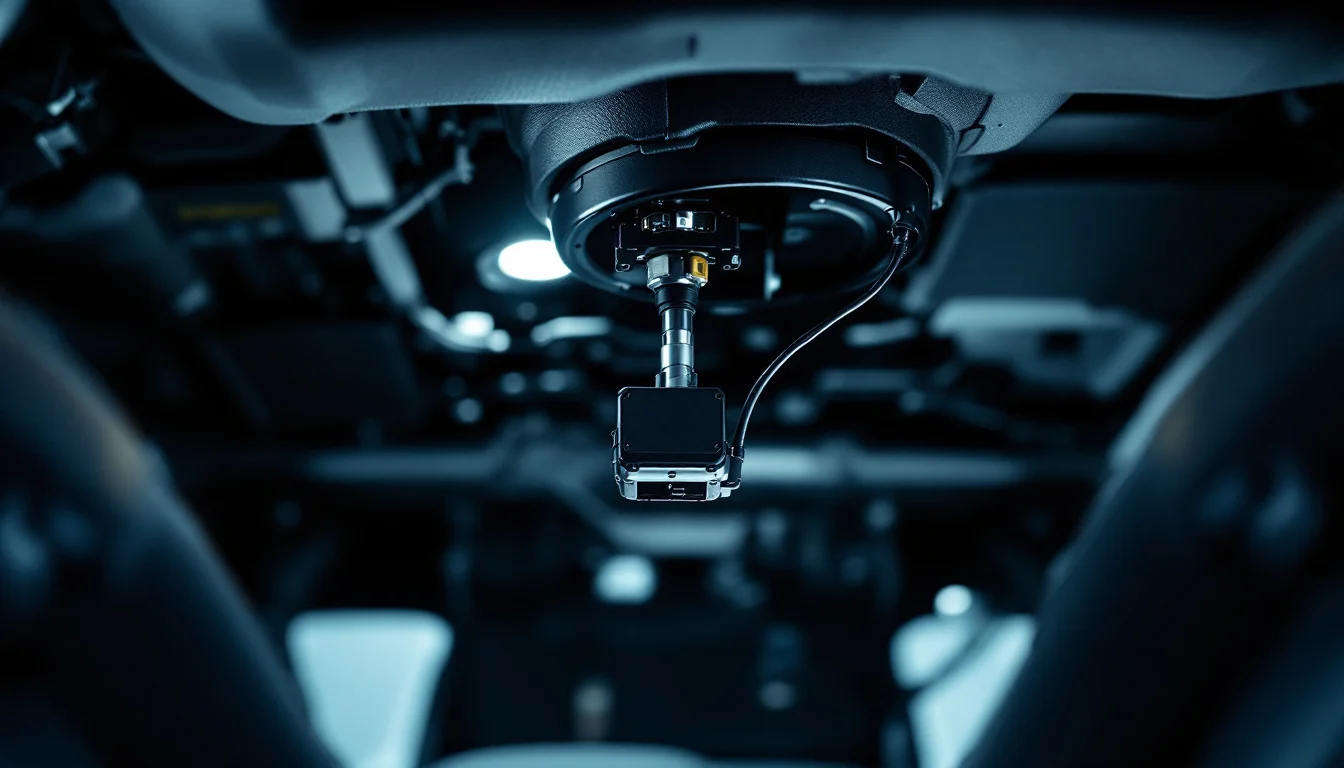
ELV stands for elektrische Lenkradsperre, the electronic steering lock. Some documentation and a lot of forum discussion also calls it the ESCL, the electronic steering column lock. Same idea.
Older cars locked the steering column mechanically. Turning the key withdrew a spring-loaded pin from a notch in the column. Push-button cars have no key cylinder to do that, so the function moved to a small electromechanical actuator on the column, driven by a motor and controlled over the vehicle network.
The sequence in normal operation is roughly this. You approach with the fob, the vehicle authenticates it, you press start, and the access control system commands the steering lock to withdraw its bolt. A position sensor reports back that the bolt is fully retracted. Only when the system receives that confirmation does it authorize the start sequence. On shutdown the reverse happens: the bolt extends, the sensor confirms, and the system arms.
Two things follow from that design. First, the ELV is a genuine anti-theft component, and the layered immobilizer approach it belongs to is the kind of technology that the National Highway Traffic Safety Administration and the Insurance Institute for Highway Safety have both associated with reduced theft rates across the industry (nhtsa.gov, iihs.org). Second, because a start is gated on the lock reporting itself unlocked, a failure of the actuator, the motor, the sensor, the wiring, or the power supply produces the same visible symptom: no crank, wheel locked, warning message.
The Symptom Set That Points at the Steering Lock
From the calls we take in Irving, these are the patterns that reliably point at ELV rather than a key or battery problem:
- A specific steering lock message on the cluster. Wording varies by model year and market, but any message naming the steering lock or steering column lock is the system telling you which subsystem reported the fault.
- Wheel physically will not move, engine will not crank. The bolt is still engaged. The start is being blocked on purpose because the vehicle cannot confirm the column is free.
- Intermittent behavior that improves when you rock the wheel. Side load on the bolt can bind it in the notch. Relieving that load sometimes lets the motor retract it. This is a symptom, not a fix, and it usually gets worse.
- The fob is clearly recognized. The car greets you, the cluster lights, comfort functions work. If authentication had failed you would see a key-related message instead.
- A recent low-voltage event. A weak battery, a long sit, or a jump start can leave the actuator without enough current to complete its cycle, and the resulting stored fault sometimes outlives the voltage problem.
If instead you see a key or immobilizer message, or the car does not acknowledge the fob at all, you are looking at a different branch of the tree. That branch runs through the access control system, which is where CAS and FEM come in.
Where CAS, FEM, and BDC Sit in the Picture
BMW has used several generations of access and body control architecture, and the names matter because they determine what a technician can and cannot do.
CAS is the Car Access System, used across a long run of models including many 5 Series and 7 Series generations. It handles fob authentication, holds the immobilizer data, and coordinates start authorization. CAS3 and CAS4 are the generations most commonly discussed.
FEM and BDC are the later Frontelektronikmodul and Body Domain Controller, which absorbed the access-control role along with a wide set of body functions on newer platforms.
Whichever generation your car uses, that module is the one that commands the steering lock, evaluates the confirmation, and either authorizes or blocks the start. It also holds the key data. That is why a shop that only knows how to swap parts will sometimes replace a steering lock, find the fault unchanged, and only then discover the problem was upstream.
Two of our companion guides go deep on those modules specifically: BMW X3 and X5 CAS4, FEM, and BDC module programming and the dedicated write-up on FEM and BDC module programming in Irving TX. If your fault message points at keys or access rather than the steering lock, those are the right place to start.
Why an ELV Is Not a Simple Swap
Here is the part that changes the cost conversation.
A replacement electronic steering lock is a coded component. Depending on generation and part supply, one or more of the following is true:
- It has to be paired to the access control module. The lock and the access system exchange identifying data. A new unit dropped in without that step reports as unknown, and the vehicle keeps blocking the start.
- It may be a one-time-programmable part. Some units accept their vehicle identity once. Install it, code it, and it belongs to that car permanently. Install it wrong and you have consumed a part.
- A used unit may already be married to another VIN. The same principle that protects BMW owners from stolen-parts swaps makes salvage units risky. Sometimes they can be adapted. Sometimes they cannot.
- Access is physical work. The lock lives on the steering column behind trim and, on many models, behind the column shrouds and other components. Getting to it is real labor before any coding happens.
The National Automotive Service Task Force is the industry mechanism through which qualified independent technicians obtain sanctioned access to manufacturer security data and procedures, and the Associated Locksmiths of America publishes the professional standards for that work (nastf.org, aloa.org). The relevant point for you as an owner is that legitimate ELV work involves authenticated procedures, and the shops that promise to bypass all of that are describing something that either does not work or leaves your car in a worse state.
"The mistake I see is somebody buying a steering lock off a parts site because the message said steering lock. Half the time the actuator was fine and the fault was voltage or a connector. The other half, they bought a used one that was still tied to another car. Diagnose first, buy second." — a senior technician on our Irving crew
Repair, Replace, or Something Else Entirely
There are three realistic outcomes on a BMW steering lock call, and the honest technician tells you which one you are in before touching a wrench.
Not actually the ELV. A meaningful share of steering lock messages trace to supply voltage, a corroded or unseated connector, or a stored fault from an earlier low-voltage event that clears once the underlying condition is fixed. This is the cheapest outcome and it is more common than the internet suggests.
Mechanical bind, not electrical failure. The bolt is jammed against the column under side load. Sometimes relieving the load and cycling the system recovers it, and the correct next step is watching whether it recurs rather than immediately replacing hardware.
Genuine actuator or motor failure. The unit has failed and needs replacement plus coding to the access module. This is the expensive outcome. It is also the one where getting the right part matters most, because a used unit from another VIN may not adapt.
We do not publish a flat price for ELV replacement, and you should be suspicious of anyone who does sight-unseen. The part, the generation, the access labor, and whether the access control module also needs attention all move the number. What we commit to is a real quote after we have your VIN and the module identification off the physical part, before any work begins.
BMW Ignition, ELV, and Key Cost Framing in Irving
Real ranges as of August 2026 for mobile service in Irving and the surrounding DFW cities.
| BMW 5 or 7 Series Scenario | Range or Basis | What Determines It |
|---|---|---|
| Steering lock fault diagnosis on-site | $75–$145 | Scan, voltage and connector checks, no parts |
| Confirmed ELV replacement plus coding | Quoted after VIN and module ID | Part availability, generation, column access labor |
| Access control module work following diagnosis | Quoted after VIN and module ID | Whether CAS, FEM, or BDC is implicated |
| Spare comfort access key, working key present | $400–$700 | European fob cost plus enrollment |
| All keys lost, comfort access | up to ~$700 | Full relearn with no trusted key present |
| Older bladed BMW transponder key, spare | $150–$275 | Chip cut plus enrollment |
| Lockout only, no key produced | $75–$145 | Non-destructive door entry |
| Dealer comparison, European all-keys-lost | $1,200–$2,500 plus $150–$300 tow | Parts ordering and appointment queue, 3–10 business days |
Model-level detail sits on our BMW service page, the mechanical and electronic ignition work is covered under ignition repair, and the broader workflow for German platforms is described under European car specialists.
The Federal Trade Commission recommends insisting on a clear estimate and verifiable identification before any locksmith work begins, which is exactly the standard we hold ourselves to on a job where the final number depends on a part we have not yet seen (ftc.gov). AAA's roadside guidance similarly advises confirming scope before dispatch rather than negotiating in your driveway (aaa.com).
What We Verify Before Working on Your BMW
This work touches anti-theft hardware on a high-value vehicle, and Texas regulates the trade through the Department of Public Safety Private Security program. Before any ELV, ignition, or key work we confirm:
- Photo ID matching the registration or title.
- Proof of ownership: registration, title, insurance card, or lease showing your name against the VIN.
- The 17-character VIN from the windshield tag and door jamb.
- Module history: has the access control module, cluster, or steering lock ever been replaced. This changes the plan more than any other single answer.
- Battery and charging condition, because a marginal battery produces steering lock faults that no new part will fix.
Frequently Asked Questions
What does steering lock malfunction mean on a BMW?
It means the vehicle could not confirm that the electronic steering lock released the column, so it blocked the start on purpose. The cause can be the actuator or its motor, the position sensor, the wiring or connector, low supply voltage, or a mechanical bind where the bolt is jammed under side load. The message identifies the subsystem reporting the problem, not necessarily the failed part.
Will my BMW start if the ELV has failed?
Usually not. The start sequence is gated on the steering lock reporting itself fully retracted, so the vehicle will crank-inhibit rather than risk a start with a locked column. Some owners get intermittent starts by relieving pressure on the wheel and retrying, which points to a mechanical bind rather than a dead actuator. That is a symptom to report, not a repair.
Can the electronic steering lock just be replaced like any other part?
No. The ELV is a coded component. Depending on generation it has to be paired to the access control module, and some units are effectively one-time-programmable to a single vehicle identity. A used unit from a salvage car may still be married to that vehicle and may not adapt. Physical installation is only part of the job; the coding step is what makes the car accept it.
Is the CAS or FEM module involved in a steering lock fault?
Yes, it is the module that commands the lock and evaluates the confirmation before authorizing a start. On many 5 Series and 7 Series generations that is the Car Access System, and on later platforms it is the FEM or BDC. That is why a fault can appear as a steering lock message while the actual defect sits upstream in the access module, its wiring, or its power supply.
How much does BMW ELV repair cost in Irving TX?
We quote it after we have your VIN and the module identification off the physical part, because the part, the generation, the column access labor, and whether the access module also needs work all move the number substantially. On-site diagnosis to identify what is actually wrong runs $75 to $145. We will not give a sight-unseen flat price for a component we have not confirmed is the failed one.
Could a weak battery cause a steering lock message?
It can and it frequently does. The actuator needs adequate current to complete its cycle, and a marginal battery, a long period of sitting, or a jump start can leave it unable to finish. The resulting stored fault sometimes persists even after the voltage problem is addressed. Checking battery and charging condition before ordering any part is one of the cheapest things you can do.
Do you also make BMW keys, or only fix ignitions?
Both. We enroll comfort access keys and older bladed transponder keys on-site, including all-keys-lost situations, and we work ignition and steering lock faults. European key work runs $400 to $700 depending on the fob and procedure, with all-keys-lost at the top of that band. Tell us on the call whether the problem is a key you do not have or a car that will not release the wheel, because they are different jobs.
Get the Diagnosis Before the Parts Bill
A BMW that will not crank with a locked wheel is not automatically an expensive repair. It might be voltage. It might be a connector. It might be a genuinely failed actuator that needs a coded replacement. The only way to know which is to look, and the only fair way to quote it is after looking.
Call or text 817-842-1751 or email contact@irvinglocksmithpros.com. Tell us the model, the year, the exact wording on the cluster, and whether the wheel is locked. We come to you across Irving, Las Colinas, Coppell, Grapevine, and the surrounding DFW cities, and we will tell you plainly when a job belongs at a dealer instead.
References
- National Highway Traffic Safety Administration — vehicle theft prevention and anti-theft technology: https://www.nhtsa.gov
- Insurance Institute for Highway Safety — anti-theft systems and vehicle loss data: https://www.iihs.org
- SAE International — vehicle network and diagnostic communication standards: https://www.sae.org
- National Automotive Service Task Force — authorized access to vehicle security data and procedures: https://www.nastf.org
- Associated Locksmiths of America — professional standards for automotive locksmithing: https://www.aloa.org
- Federal Trade Commission — hiring a locksmith and avoiding scams: https://www.ftc.gov
- AAA — roadside assistance and vehicle key consumer guidance: https://www.aaa.com
Reviewed by a licensed automotive locksmith technician at Irving Locksmith Pros. Texas DPS Private Security regulated. Mobile service; ownership verification required.